
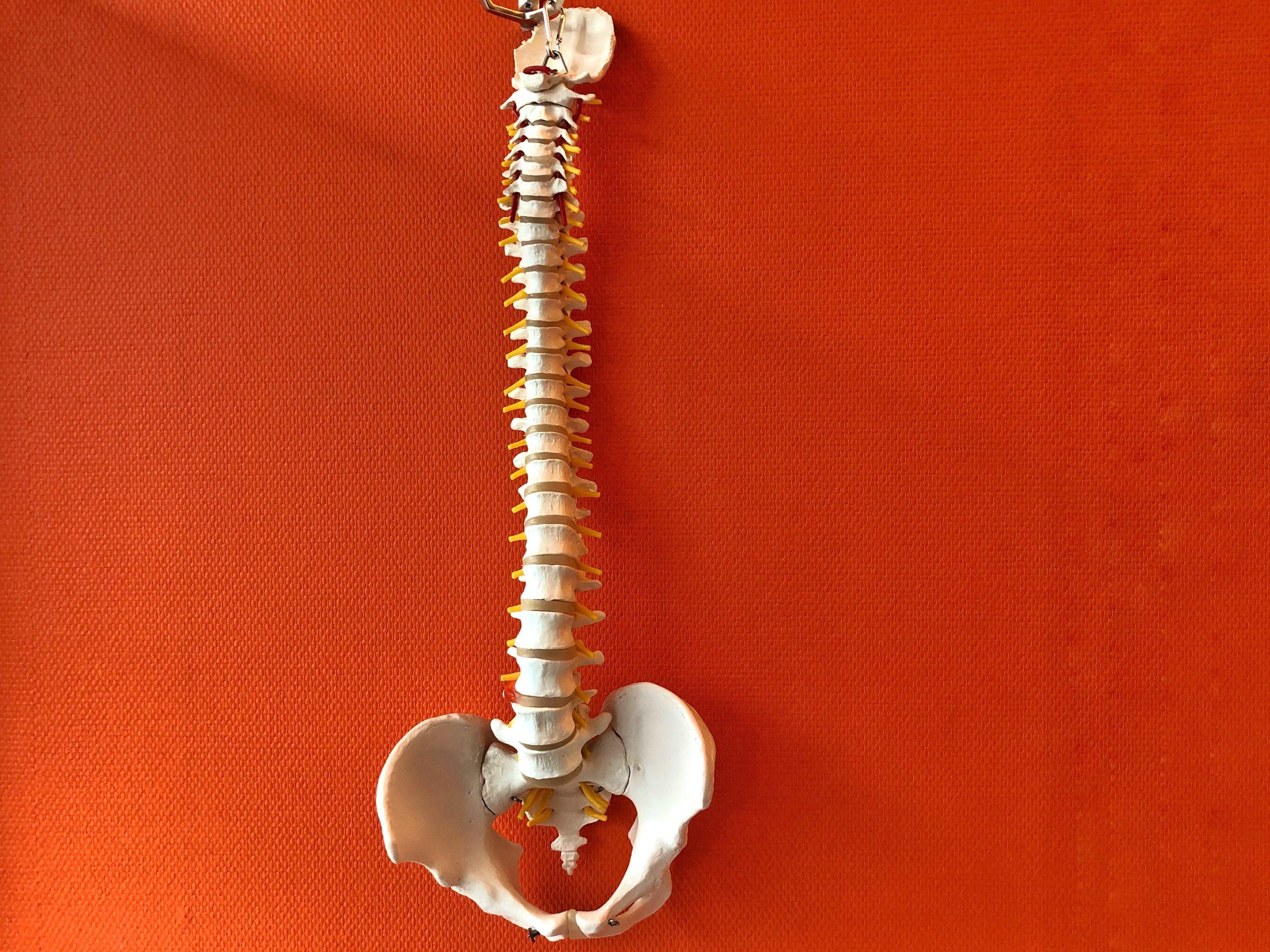
We ask a lot of our spines every single day. From bending over to tie our shoes, to sitting at a desk for eight hours, to carrying groceries into the house—our back is the central support system for almost everything we do. Yet, we rarely think about spine health until we feel that first twinge of pain.
At Wirth Chiropractic, we believe that preventing back pain is just as important as treating it. By making a few mindful adjustments to your daily routine, you can keep your back strong and healthy for years to come. To help you get started, we’ve put together this warm and informative Q&A on simple daily habits that protect your spine.
Q: Why do my daily habits matter so much for my spine?
A: Your spine is subject to constant, cumulative wear and tear, meaning small daily actions have a massive impact over time.
Your spine isn’t just a stack of bones; it is a complex, delicate system of vertebrae, discs, muscles, and ligaments that encases your central nervous system. When you practice poor habits—like slouching or lifting incorrectly—you create micro-traumas. Over time, these small stresses add up, leading to misalignments, compressed nerves, and chronic pain. Good daily habits act as a shield, protecting your spine from unnecessary stress.
Q: How does my sitting posture affect my back?
A: Slouching exponentially increases the pressure on your spinal discs, which can lead to long-term pain and stiffness.
If you work a desk job, your posture is one of the most critical factors in your overall spine health. Leaning your head forward to look at a screen can add up to 30 pounds of extra pressure on your cervical spine (your neck). By practicing proper posture—keeping your feet flat on the floor, your shoulders back, and your screen at eye level—you allow your skeletal structure to support your body weight, rather than overworking your muscles.
Q: Does drinking water actually help my spine?
A: Yes! Staying hydrated is crucial because your spinal discs are composed of about 80% water.
Between each vertebra in your spine is a small, jelly-like disc that acts as a shock absorber. Throughout the day, gravity compresses these discs, causing them to lose water. When you stay properly hydrated, your body can replenish these discs while you sleep, keeping them plump and functional. Dehydration can lead to brittle, degenerating discs that are much more prone to painful bulging or herniation.
Q: What is the best way to sleep for spine health?
A: The best sleeping positions are on your back or on your side, as they keep your spine in a neutral alignment.
Sleeping on your stomach forces you to twist your neck to breathe, which puts terrible strain on your upper spine. According to the experts at the Sleep Foundation, sleeping on your back with a pillow under your knees, or on your side with a pillow between your knees, removes pressure from your lower back and allows your muscles to completely relax and recover overnight.
Q: When should I see a chiropractor?
A: You shouldn’t wait until you are in severe pain to seek care; regular visits can prevent issues before they start.
Think of chiropractic care like visiting the dentist for a cleaning. Routine check-ups and gentle adjustments keep your spine in proper alignment, improve your range of motion, and help your nervous system function optimally. If you do start to experience discomfort, catching it early makes it much easier to relieve back pain naturally, without the need for invasive procedures or heavy medications.
Taking care of your spine doesn’t have to be complicated. By staying hydrated, watching your posture, and getting a good night’s rest, you are already on the right track. If you are ready to take your spinal health to the next level, the friendly team at Wirth Chiropractic is here to help. Contact us today to schedule your consultation!